What to See in Girona: Complete Guide for Your 2026 Visit
If you're looking for what to see in Girona, the city grabs you from your first stroll through its cobbled lanes. Game of Thrones scenes were filmed here, and every corner holds centuries of history. This guide takes you through the must-sees: the Cathedral, the Jewish Quarter, the city walls and the viewpoints overlooking the colourful houses along the Onyar. I'll also tell you how to get there from Lloret de Mar, what's on in 2026 and where to eat well without blowing your budget.
How to get to Girona from Lloret de Mar
Girona is around 30 kilometres from Lloret de Mar, and the quickest way to get there is by car on the AP-7. The journey takes about 30 minutes with no traffic.
If you prefer public transport, there are direct buses (several operators) connecting Lloret with Girona's bus station, with a reduced frequency in low season. Another option is to take a regional train from Blanes, but you'll first need to get there by bus or taxi.
To get around freely, the most practical option is to hire a car. You can compare prices on online search engines and pick it up in the centre of Lloret or at Barcelona airport.

The Barri Vell and the Jewish Quarter
The old town of Girona, the Barri Vell, is a maze of narrow, cobbled streets that invite you to get lost. Its heart is the Jewish Quarter, one of the best-preserved Jewish quarters in Europe. Streets such as Carrer de la Força or Carrer dels Ciutadans take you to the Plaça del Vi, where time seems to have stood still.
Don't miss the Portal de Sobreportes, one of the old gates in the city wall, or the Museum of Jewish History, which explains the life of the Hebrew community in the 12th and 13th centuries. The museum has a reduced entrance fee (check current rates) and is well worth it to understand the city's past.
To discover the historical details with an expert, a guided tour in Spanish reveals anecdotes that don't appear in the guidebooks. It's the best way to make the most of your time and not miss any key corner.

Girona Cathedral
Girona Cathedral is the city's most iconic monument, famous for its enormous staircase seen in Game of Thrones. The Gothic nave is the widest in the world, and the 12th-century Romanesque cloister is a gem. Visiting hours are Monday to Saturday from 10:00 to 17:30, and Sundays from 12:00 to 17:30 (check the official website for possible changes). Admission is ticketed (check official prices on the website).
Take your time climbing the 90 steps, stopping to admire the detail of the Baroque façade. Inside, the silver altarpiece and the Creation Tapestry are must-sees. If you can, also visit the cloister and the chapter museum.
To skip the queues and get the explanations, a guided tour inside gives you priority access and historical context. It's especially useful if you're travelling with children or in high season.
Arab Baths and Sant Feliu Basilica
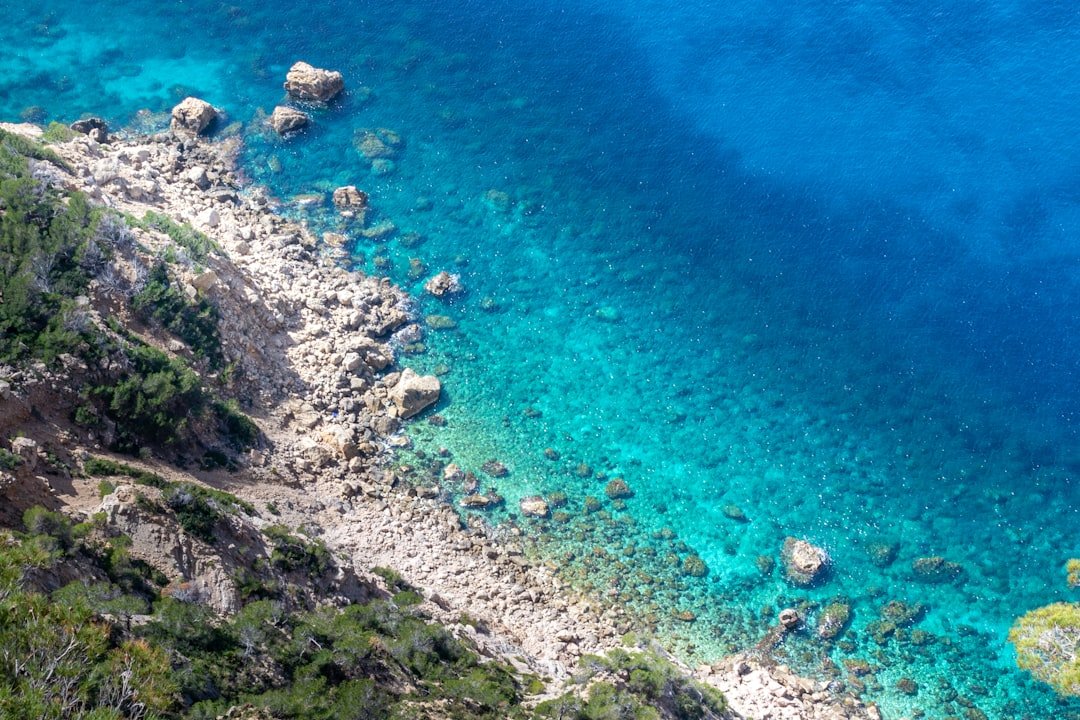
Although they are called Arab baths, they are actually 12th-century Romanesque baths inspired by Muslim bathhouses. They are in the Barri Vell, right next to the Cathedral. Entry costs a reduced fee (check current prices on the official website) and takes about 15 minutes to visit. The space is small but very interesting, with its steam room and the caldarium.
Very close by, the Basilica of Sant Feliu is another medieval church with an impressive bell tower and a façade that mixes styles. Both visits can be combined in the same morning. The baths' opening hours are similar to the Cathedral's, but it's worth confirming on the official website.
The City Walls and Viewpoints
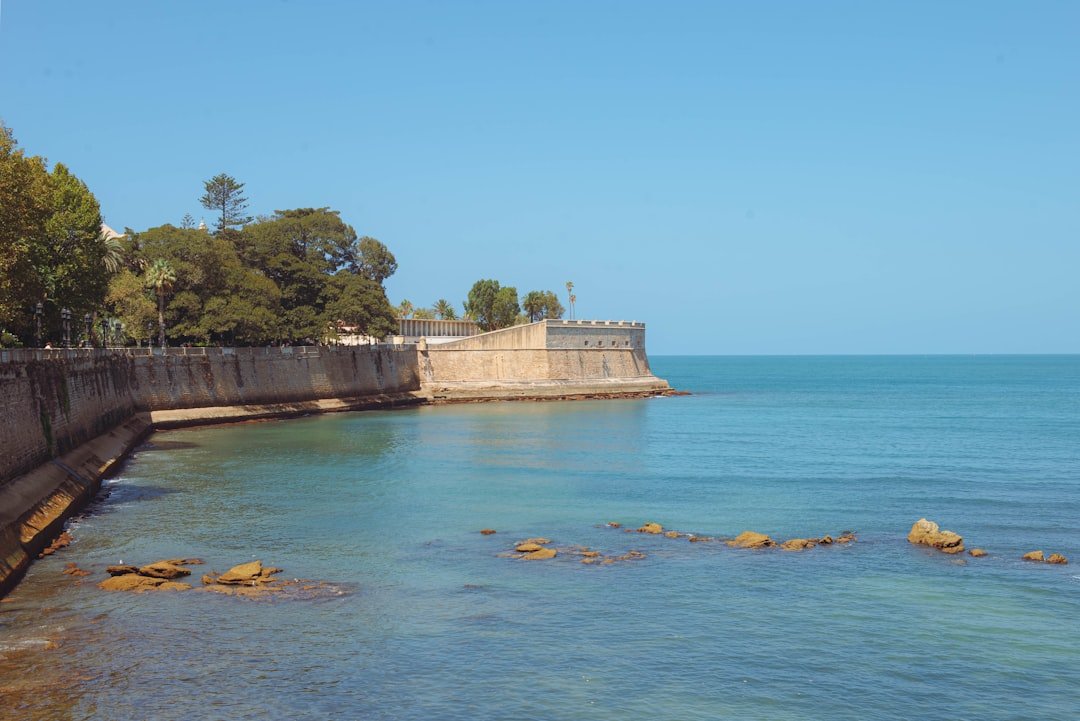
Walking Girona's city walls is one of the most rewarding things to do. Sections from the 17th century survive around the Barri Vell, and you can walk along them for about 30–40 minutes. The views from the top are spectacular: the colourful houses of the Mercadal district, the River Onyar and the roofs of the Cathedral.
Access is free. The best stretch to start from is the Portal de Sobreportes, climbing up to the Gironella Tower. Wear comfortable shoes because there are steps and uneven sections.
The natural viewpoints (such as the Muralla Roja lookout) are ideal for capturing the city's characteristic skyline, especially at sunset, when the light bathes the façades in orange.
2026 Highlights: Temps de Flors and the Three Kings Parade
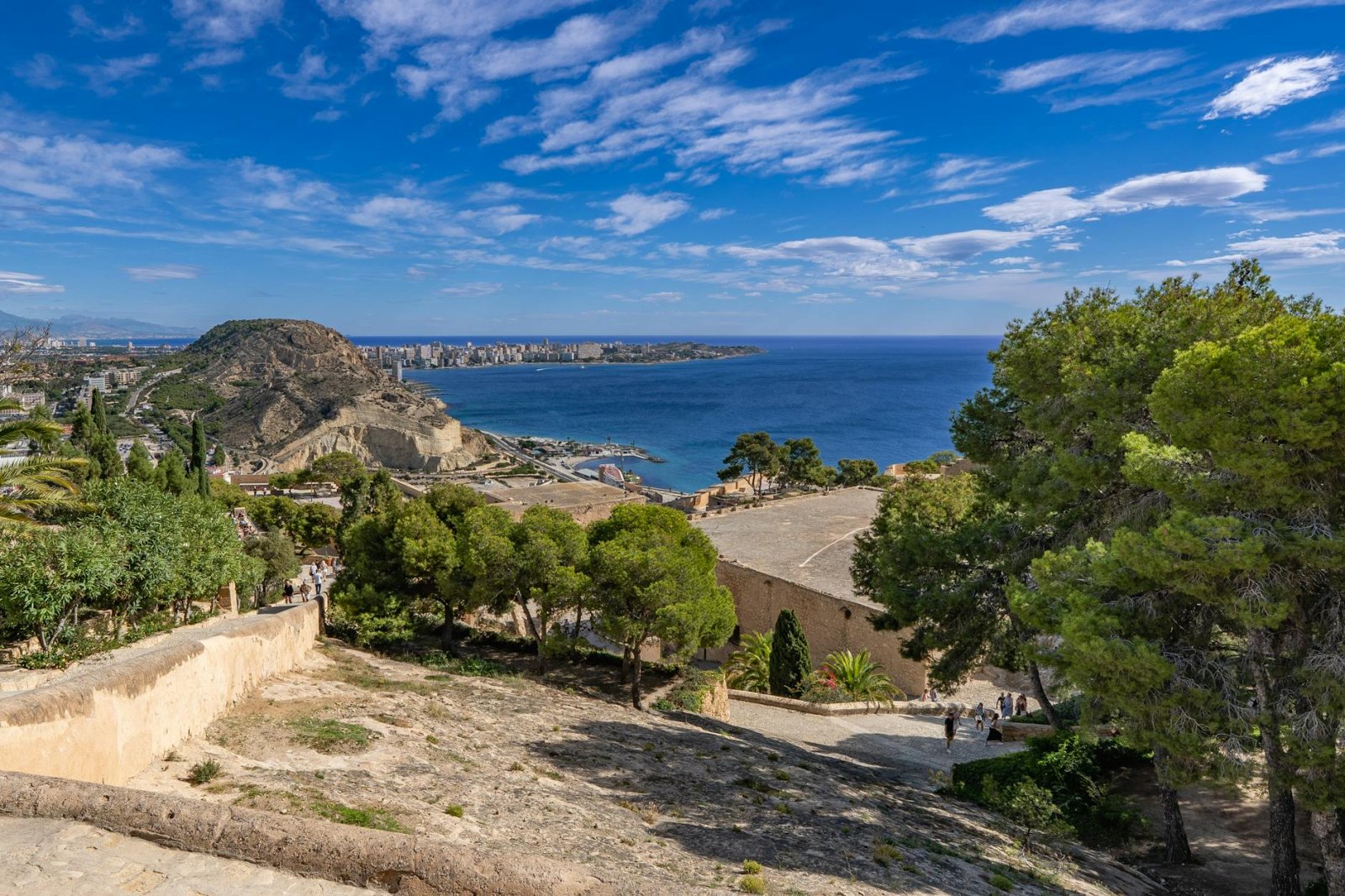
If you visit Girona in spring, don't miss the Temps de Flors, which in 2026 runs until 17 May. The 71st edition has 113 spaces decorated with flowers, many of them in courtyards and cloisters that only open on these days. General opening hours are 9:30 to 21:00, with late-night openings (Flors de Nit) until 23:00 Sunday to Friday and until midnight on Saturdays. Admission is free.
In January, the Three Kings Parade is a traditional event. On 2 January, the Star of Bethlehem is lit on the Cathedral steps, and on 2 and 3 January there are children's workshops. The main parade winds through the city centre on the night of 5 January. Both events are free and very busy.
Where to Eat in Girona
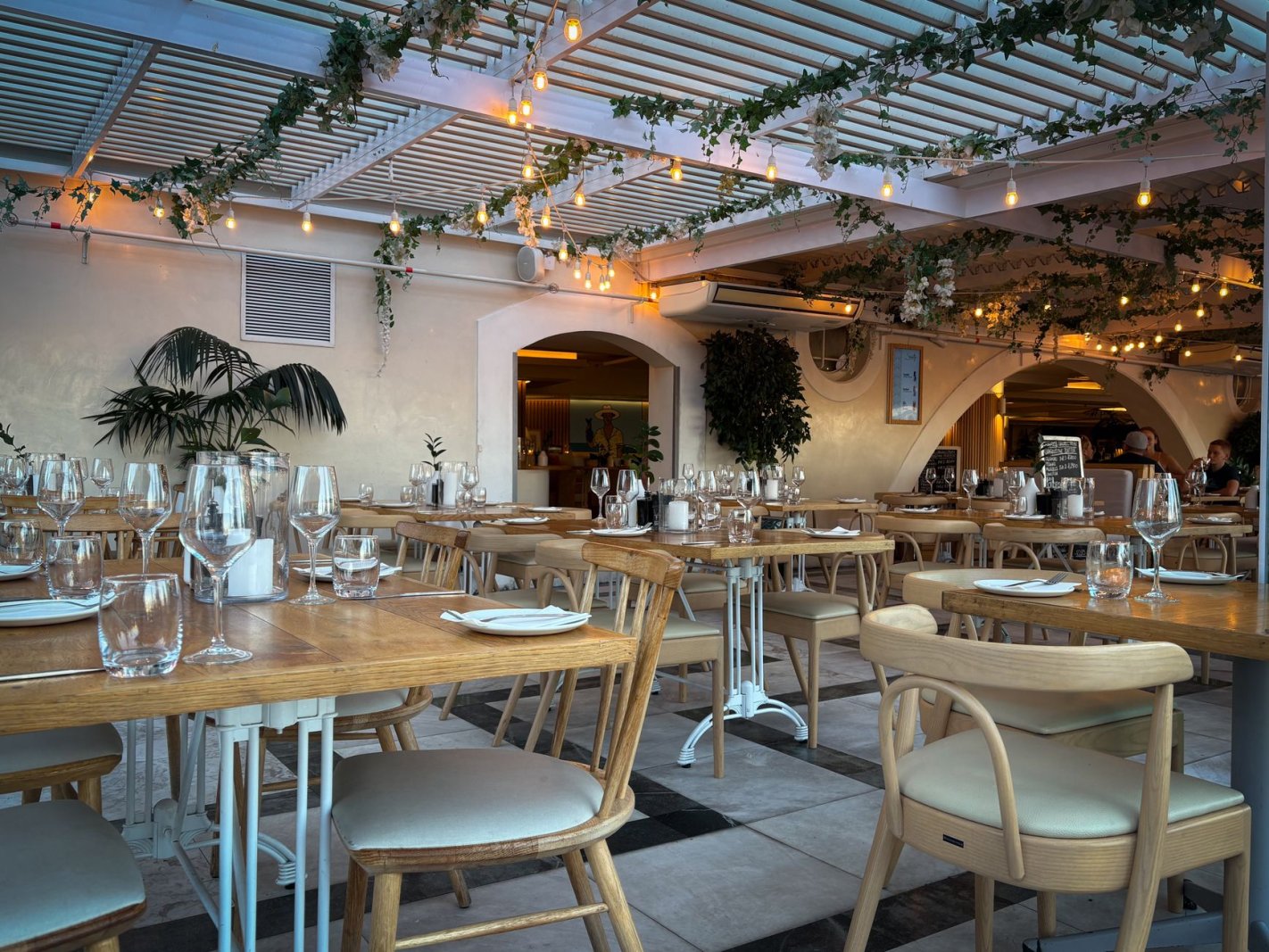
Girona offers everything from quick bites to Michelin-starred restaurants. To eat well without spending too much, head to Rambla de la Libertad or Plaça de la Independència. There you'll find terraces with set lunch menus for around €12–15, including local classics such as suquet de peix or canelons.
Another option is to look for tapas bars in the alleys of the Jewish Quarter, where they serve local cured meats and artisan cheeses. If you fancy something sweet, don't leave without trying xuixos (fried pastries filled with cream).
For dinner, the Devesa neighbourhood has more informal places, ideal for going with children. Remember that in Catalonia dinner is eaten later (around 21:00) and many restaurants close on Mondays.
To complete the experience, these are the options most booked by recent travellers.
Day Trips from Girona: Figueres and the Costa Brava
Girona is an excellent starting point for exploring the province. Forty minutes by car is Figueres, home to the Dalí Museum, a must-see for lovers of surrealist art. You can also combine Girona and Figueres in one day; we tell you how in our article What to see in Girona and Figueres in one day.
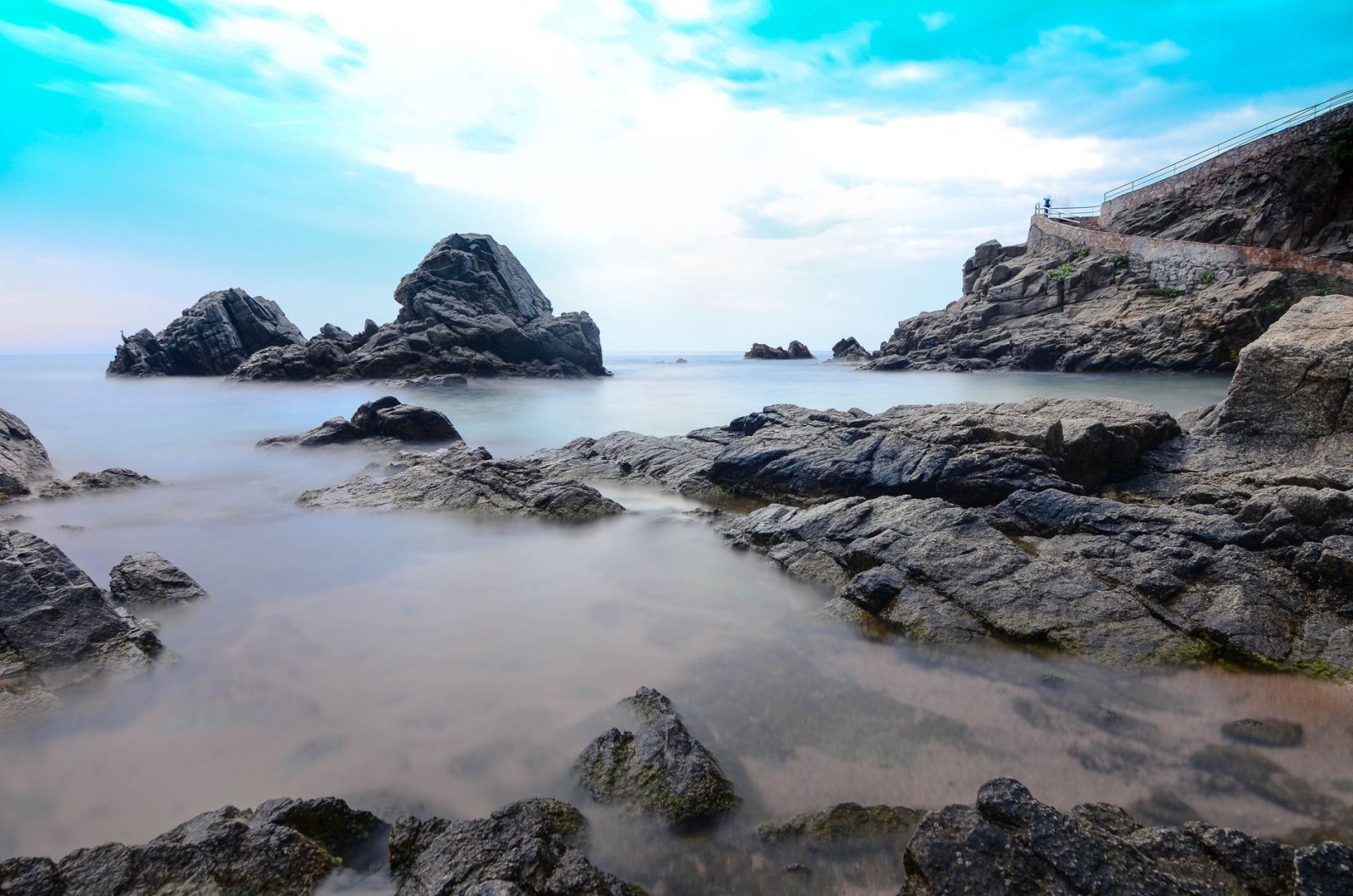
The Costa Brava is half an hour away by car: coves such as Sa Boadella, Tossa de Mar or Begur. If you'd rather not drive, there are organised excursions from Girona that include transport and a guide. Check the options in Girona day trips 2026 from Lloret de Mar.
To save time, the best option is to hire a car. You can compare prices on online search engines.
If you're planning your visit, this selection of activities tends to fit this itinerary well.
Frequently Asked Questions
How much does it cost to enter Girona Cathedral?
How much time do you need to see Girona?
What is the best time to visit Girona?
Do you need to book tickets in advance?
Where can you park in Girona?
Can you visit Girona with children?
Girona offers you a journey into the past among city walls, cathedrals and historic alleyways. In this guide we've covered the key points: the Jewish Quarter, the Cathedral, the city walls, the baths and unmissable events such as Temps de Flors. With a full day you can see the main sights; if you give it two, you can add trips to Figueres or the Costa Brava.
For your stay, the Apartamento Remo in Lloret de Mar is an excellent base: it's 800 m from the best beaches and a 15-minute walk from the centre of Lloret. From there, getting to Girona by car takes half an hour via the AP-7 (check the toll status on the official website, as it may change). The apartment also has free parking, which makes day trips easier. You can check availability for your trip just below.