The best beaches in Lloret de Mar (and the hidden coves of the Costa Brava)
Some links on this page are affiliate links. If you book through them, we earn a small commission at no extra cost to you, which helps us keep this guide up to date.
Some links on this page are affiliate links. If you book through them we receive a small commission at no extra cost to you, which helps us keep this guide updated.

Lloret main beach: the busy classic, no surprises
Lloret de Mar and its surroundings concentrate some of the most beautiful beaches and coves of the Costa Brava in just 15 kilometres of coastline. Here we are not only talking about the central beach full of umbrellas: we take you to the sands that are truly worth it, the coves you reach on foot along the Camí de Ronda and the water activities that completely change how you experience the Mediterranean. This guide is written from home, thinking about what we would like to be told if we arrived for the first time.

Fenals: the quieter, more residential side of Lloret
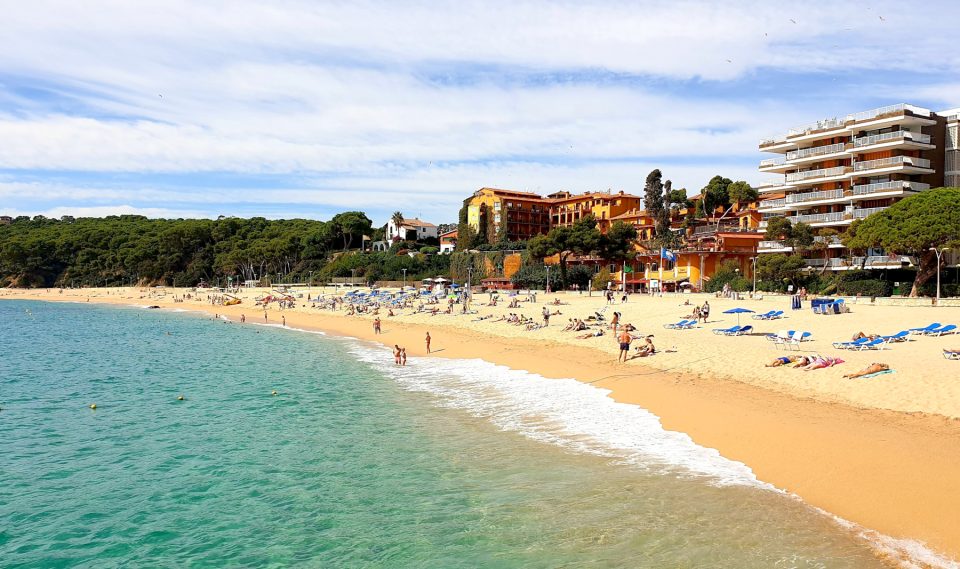
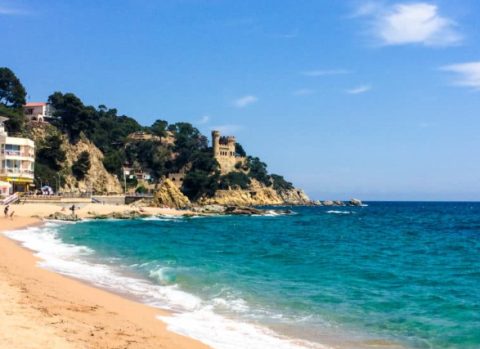
Platja de Lloret is the classic postcard of the town: 1.6 kilometres of coarse sand between two headlands, with all imaginable services a step away from Passeig Camprodon. It is the logical choice if you travel with children, if you are looking for sun loungers, beachfront restaurants or if you want to hire a jet ski without complications. The southern part, near Castell d'en Plaja, is usually a bit quieter in the mornings. It has a Blue Flag, lifeguards in season and showers along the entire promenade.
Santa Cristina: pine forest and an old hermitage
Sa Boadella: the wild cove next to the Santa Clotilde gardens
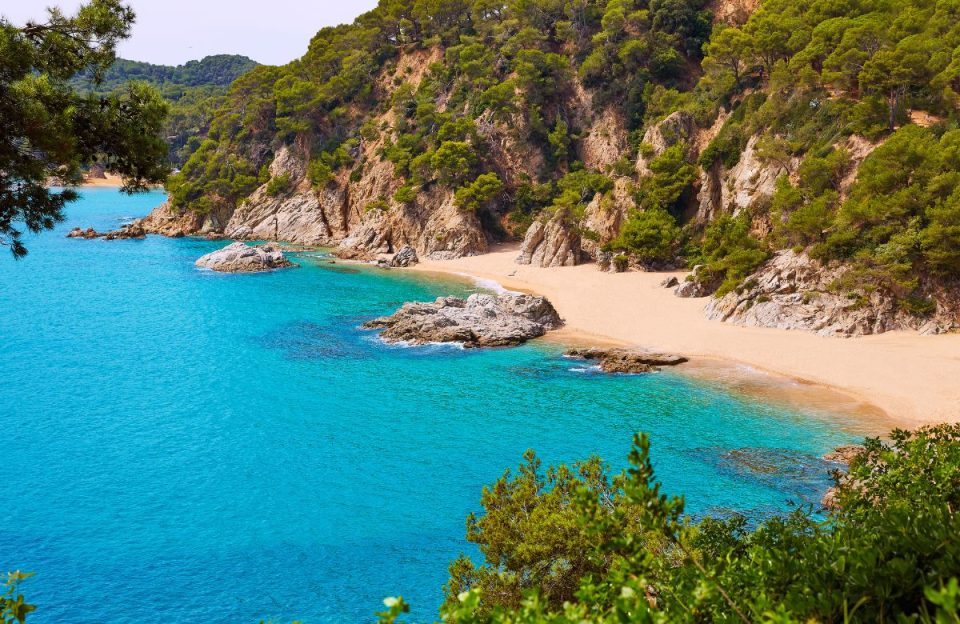
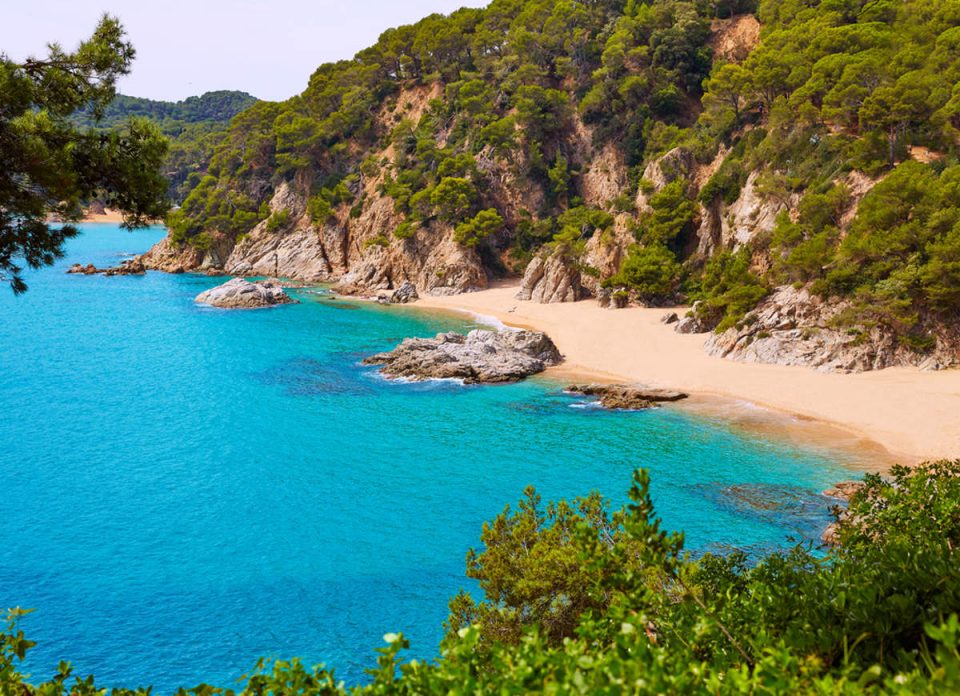
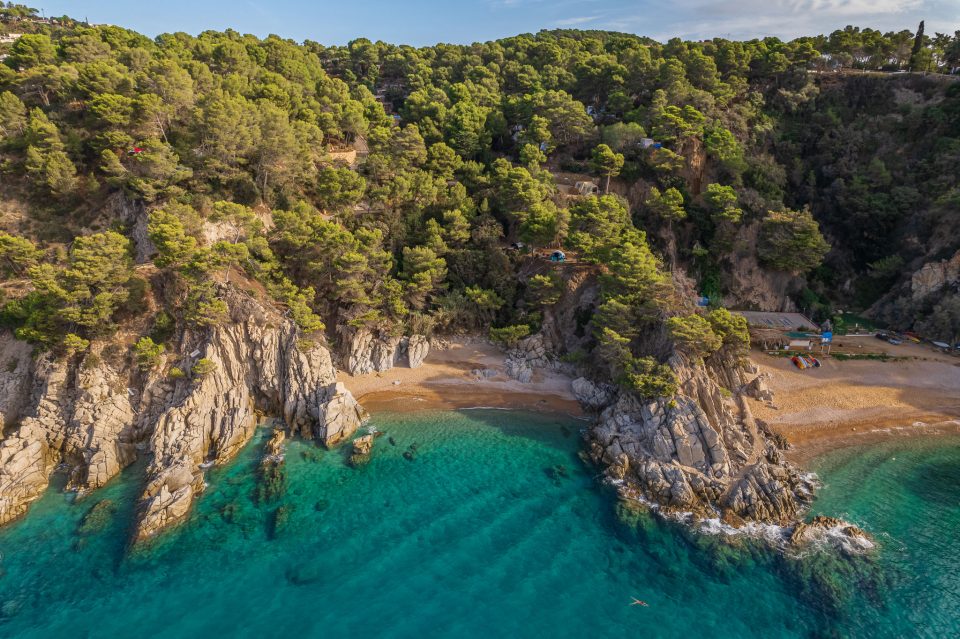
If we had to pick a single cove to show someone arriving for the first time, it would probably be Sa Boadella. Sheltered by cliffs and ringed by pines, it keeps a wild feel despite being only a 10-minute walk from the Santa Clotilde gardens car park. The southern half is a traditional nudist area; the northern half is mixed. There's no beach bar, so come down with water and a snack.
Cala Banys: rocks, snorkelling and sunsets
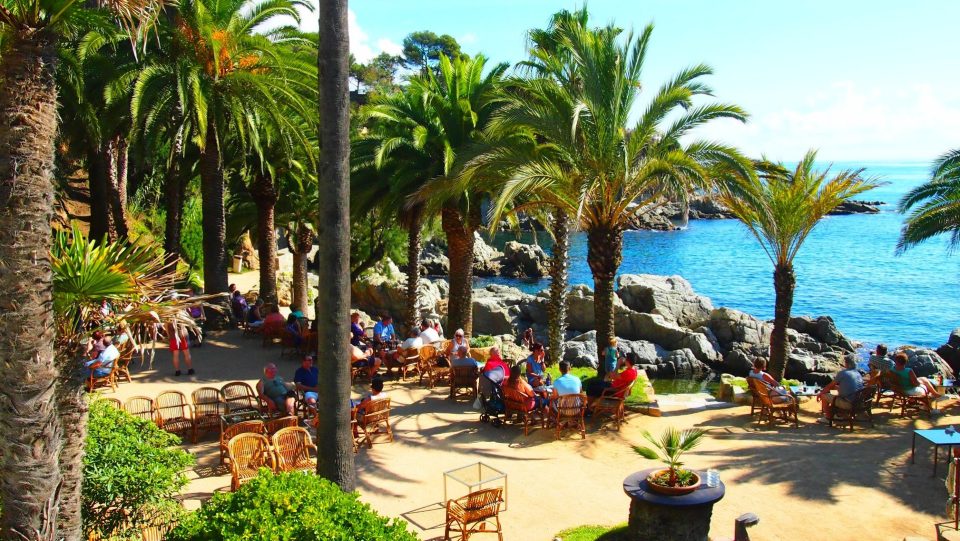
Santa Cristina changes the register. Here there is no promenade or buildings: the cove opens at the foot of a protected pine forest crowned by the 17th-century hermitage that gives the area its name. It is very close to Cala Treumal, so in fact they are two beaches that can be combined in one visit. There are basic services (beach bar, toilets, sun lounger rental) but the overall feel is nature and swimming in clear waters. Access by car via the GI-682 with paid parking in July and August.
Cala Canyelles: the only marina in the Lloret municipality
If we had to choose just one cove to show someone coming from abroad, it would probably be Sa Boadella. It is protected by cliffs and surrounded by pines, so it retains a wild feel despite being 10 minutes on foot from the Santa Clotilde Gardens car park. The southern part is a traditional nudist area; the northern part is mixed. There is no beach bar, so it is advisable to bring water and something to eat.
Cala Banys is not exactly a sandy beach: it is a small rocky cove at the end of the Lloret promenade, with an excellent viewpoint-bar over the water. It is the favourite spot of many locals for snorkelling: the rock drops cleanly, the water is very clear and there are always fish. Wear water shoes or reef shoes because it is tricky to enter the water. As a bonus, the sunset from the bar terrace is one of the best free activities in Lloret.
Cala Treumal: pine cover, fine sand and calm water
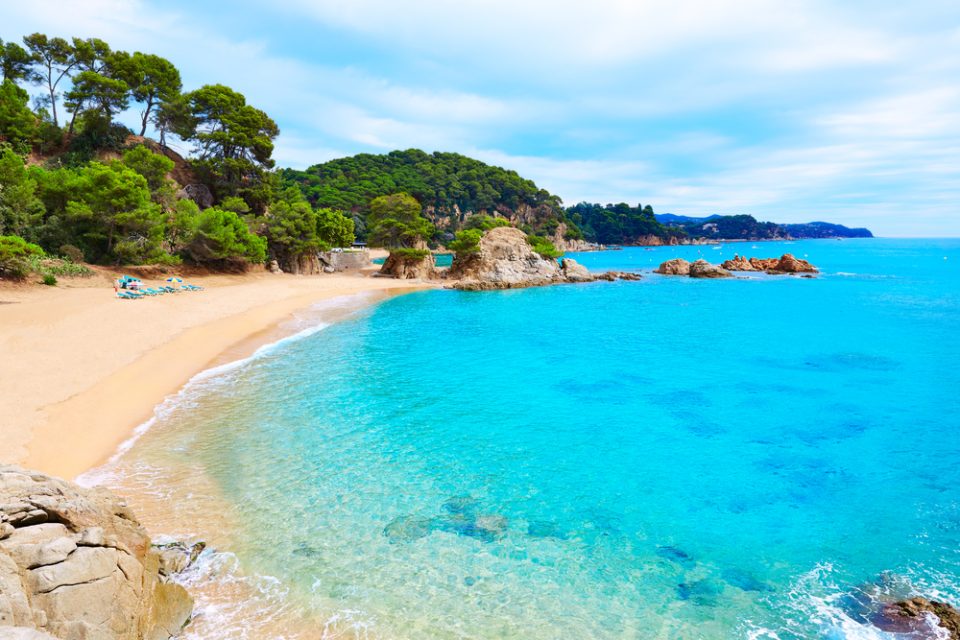
Exactly 4 kilometres from the centre of Lloret de Mar, Cala Canyelles is the only beach in the municipality with a marina, which makes it the natural starting point for boat trips, jet ski hire and short kayak crossings. The sand is coarse, there are parasols for hire and a couple of restaurants. It is perfect if you want to complement a beach day with a nautical activity without moving much.
Cala Morisca: the wild cove on the Camí de Ronda
See kayak excursions from Lloret on GetYourGuide →
Cala Giverola: the jewel of the Tossa coast
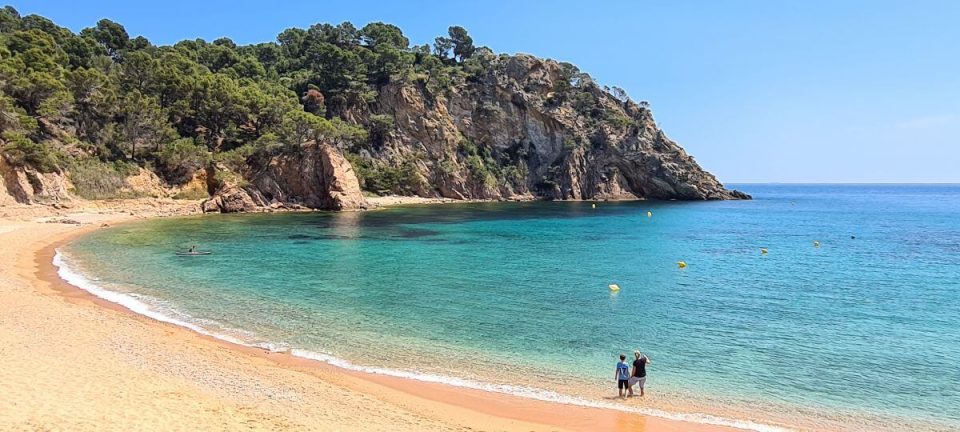
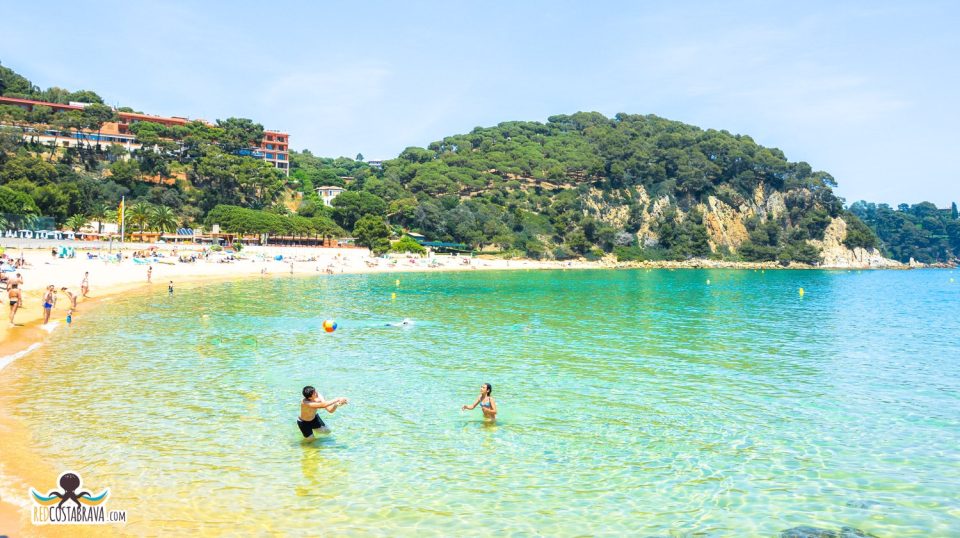
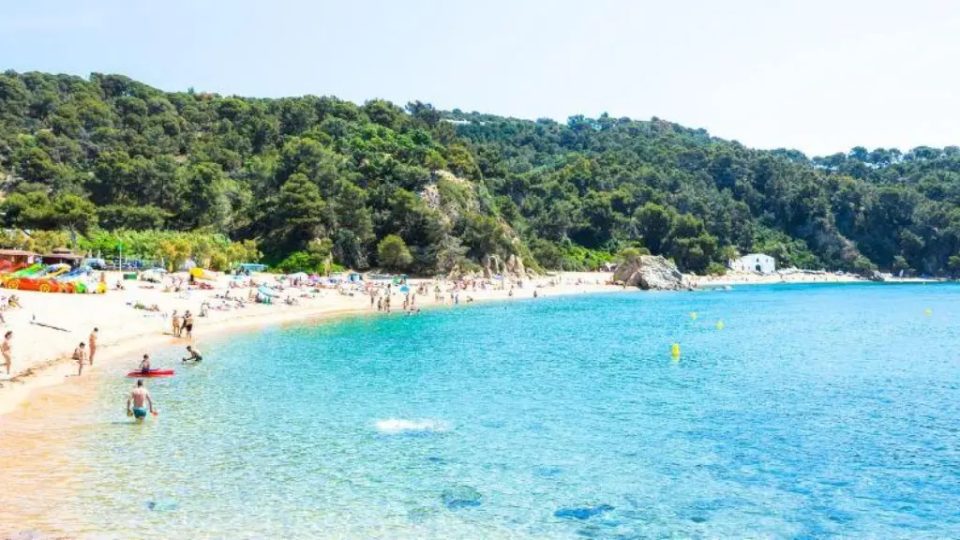
Treumal is a stone's throw from Santa Cristina but has its own identity: finer sand, less depth near the shore and the natural shade of the pine forest of the former botanical garden. It is the cove we recommend to families with small children because the water rises very slowly and there are rarely strong waves. The right side, looking out to sea, is the quietest.
To get to Cala Morisca you have two options: on foot along the Camí de Ronda from Cala Canyelles (45 minutes in good physical shape) or by sea in a kayak. There are no services, no sand (it is pebbles), but there is intense blue water and the feeling of having a cove half empty even in August. The reward after the walk is total.
Platja Gran de Tossa: the medieval postcard
We jump to Tossa to talk about Giverola. It is probably the cove with the most turquoise water in the entire Lloret-Tossa area: light sand, shallow bottom and an amphitheatre of pines that frames it. There is a resort above, but the beach is public. Access by car via the GI-681 from Tossa (4 km) or on foot along the Camí de Ronda from Mar Menuda on a route of about two hours that is one of the most beautiful in Catalonia.
Kayak and paddle surf: the best way to discover the coves
Book the exclusive boat trip to the secret coves →
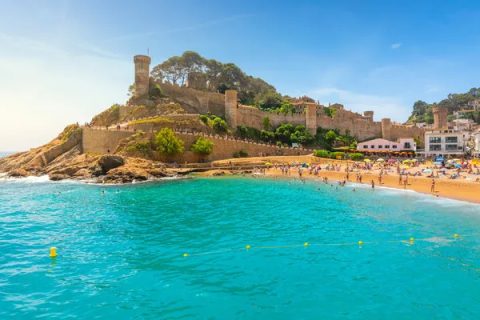
There is no way to talk about the best beaches of the area and leave out Platja Gran de Tossa. The sand, although somewhat darker than those of Lloret, is framed by the Vila Vella, the only preserved medieval walled enclosure on the entire Catalan coast. It is the beach with the most recognisable postcard of the Costa Brava and, outside the peak of August, retains enormous charm. It has all services and direct pedestrian access from the old town.
Snorkelling in clear water: where, when and what you'll see
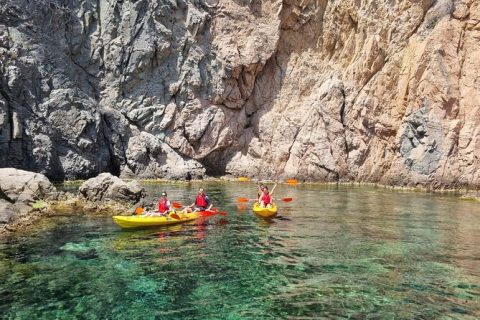
If you only have time for one water activity, make it this one. The most beautiful coves of the Costa Brava between Lloret and Tossa are inaccessible by road: kayaking and paddle surfing are the only realistic way to get there without walking much. Guided trips (half day, €35–50 per person) usually include snorkelling in a cave, a stop at a virgin cove and water on the boat. For beginners we recommend trips from Cala Canyelles; for experienced people, those from Sant Feliu de Guíxols towards Cala del Vigatà.
Ferries and golondrinas: seeing the coast from the water
See kayak and paddle trips on the Costa Brava →
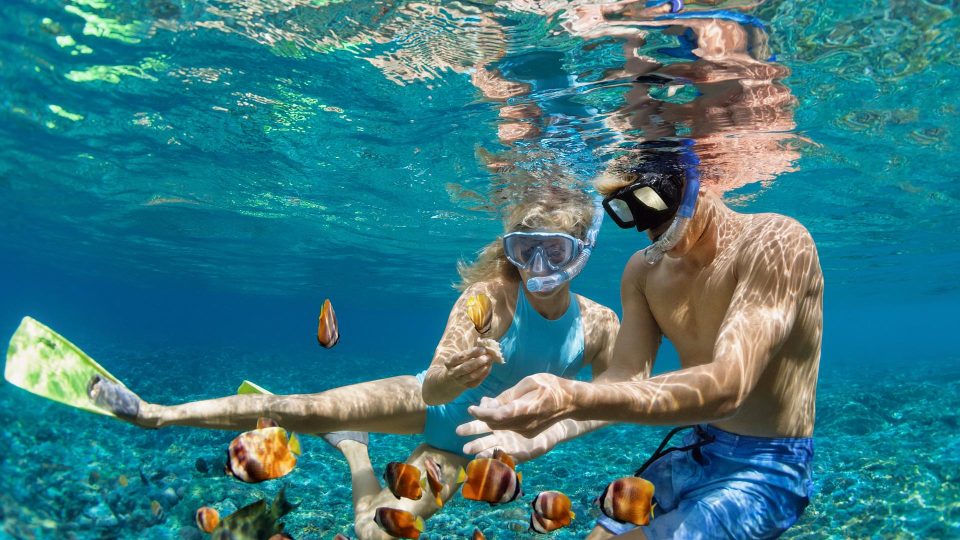
The Mediterranean of the Costa Brava does not have tropical spectacularity, but it does have very enjoyable marine life: salps, sea bream, wrasses, an occasional red starfish and, with luck, an octopus hidden among rocks. The best spots near Lloret are Cala Banys (accessible rocks from the promenade), the northern area of Sa Boadella and, above all, the stops on kayak trips. The water temperature between June and September ranges between 20 and 25 degrees, so a short wetsuit greatly extends the session.
Book water activities in Lloret and the Costa Brava
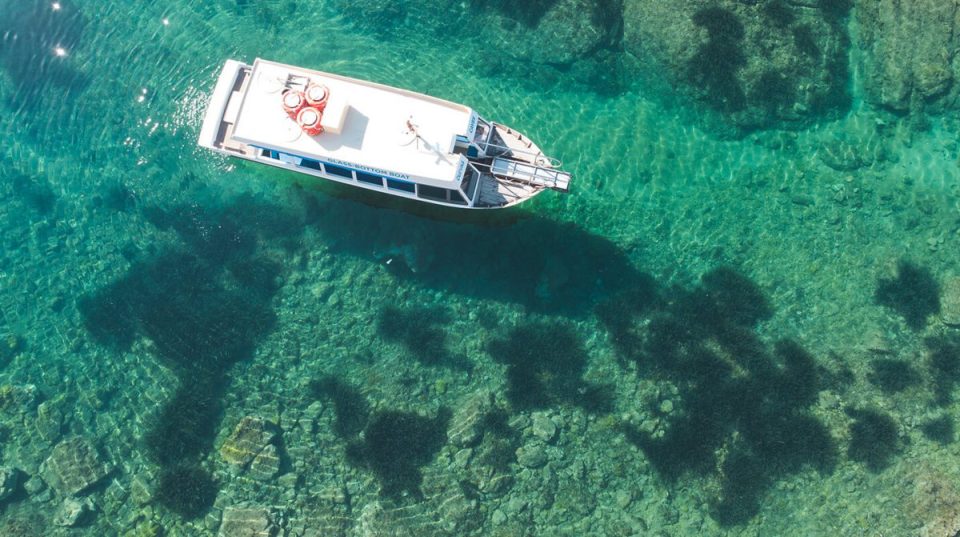
The 'golondrinas' are the small passenger ferries that connect Lloret, Tossa, Sant Feliu de Guíxols and Calella de Palafrugell throughout the season. They are not only transport: they are the best way to see the true structure of the Costa Brava, that maze of coves and cliffs that only makes sense from the water. The Lloret-Tossa line costs about €18 return, lasts 30 minutes and passes by Cala Banys, Sa Boadella and Cala dels Frares. There are glass-bottom versions that add a marine observation component.
Looking for a place to stay near the best beaches?
Book ferry or golondrina between Lloret and Tossa →
The most up-to-date prices and availability, directly from local providers. Free cancellation on most activities.